
By Deirdre Mc Cormack
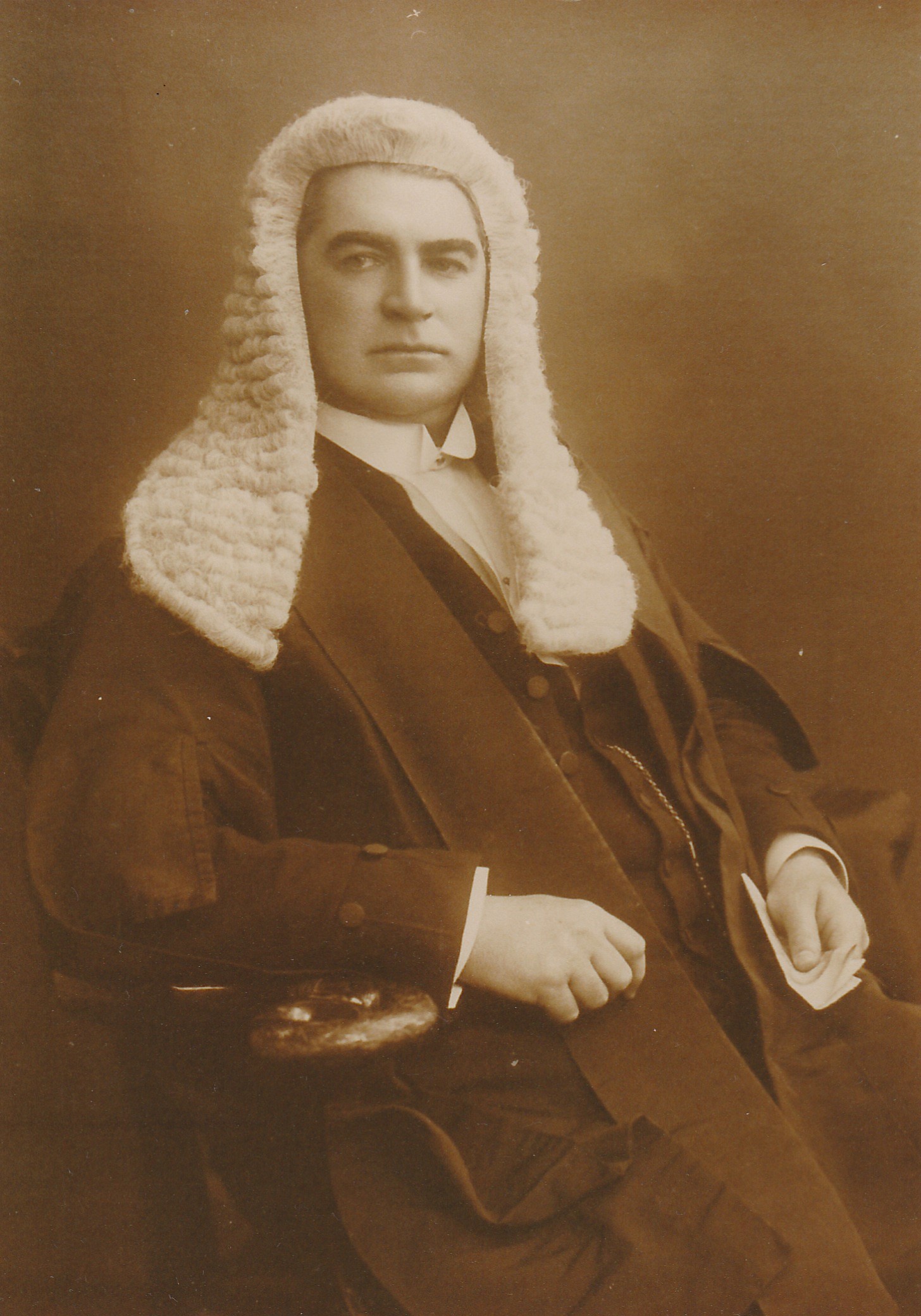
In 1905, a small courtroom in Dublin became the setting for one of the most symbolic trials in Ireland’s struggle for cultural identity. Patrick Stanislaus Walsh, a rising barrister from Creeslough, stood beside the young nationalist Patrick Pearse to defend Niall MacGiolla Bhrighde of Feymore, a local poet and songwriter prosecuted for displaying his name and address in Irish on his cart.
Their eloquent defence challenged the legal requirement to use English, arguing that Irish was perfectly legible in a region where it was the spoken tongue. Lord Chief Justice O’Brien commended both men for their “interesting and elaborate arguments,” yet the conviction was upheld. Niall, steadfast in principle, refused to pay his fine until a sympathetic neighbour quietly did so on his behalf. Though a small case in scale, it captured national attention and became a landmark moment in Ireland’s cultural awakening — when law, language, and identity briefly converged, and when Patrick Walsh’s name became linked with the early fight for Irish linguistic rights.
Born in the RIC barracks at Manorcunningham on 27 October 1857, Patrick was the eldest child of Sergeant Richard Walsh and Sarah Jordan (Jeordan) of Creeslough. His father, originally from County Meath, had joined the Royal Irish Constabulary in 1852 and rose to the rank of sergeant. Family stories suggest that his mother, Sarah, was the daughter of a Presbyterian minister from Creeslough, though no records have yet confirmed this.
From an early age, Patrick showed remarkable intellect and curiosity. When he was just fourteen, Jesuit recruiters — seeking gifted boys for religious study — arranged for him to continue his education in France. He entered a Jesuit junior seminary near Paris, where he excelled in languages and philosophy. Jesuit records in London confirm that he entered the New Orleans province in 1874, aged seventeen, and by 1885 was studying philosophy at Woodstock College in Baltimore. Though he was never ordained, his years of Jesuit formation shaped his disciplined mind, his command of rhetoric, and his lifelong respect for learning.
After leaving the Jesuits, Patrick pursued postgraduate studies in Innsbruck and Heidelberg, where he developed a reputation for his breadth of scholarship and polished manners. At some point, he returned to Ireland, where he met Mary Afric Harkin of Massinass House, Creeslough — a woman whose grace and intelligence would match his own.
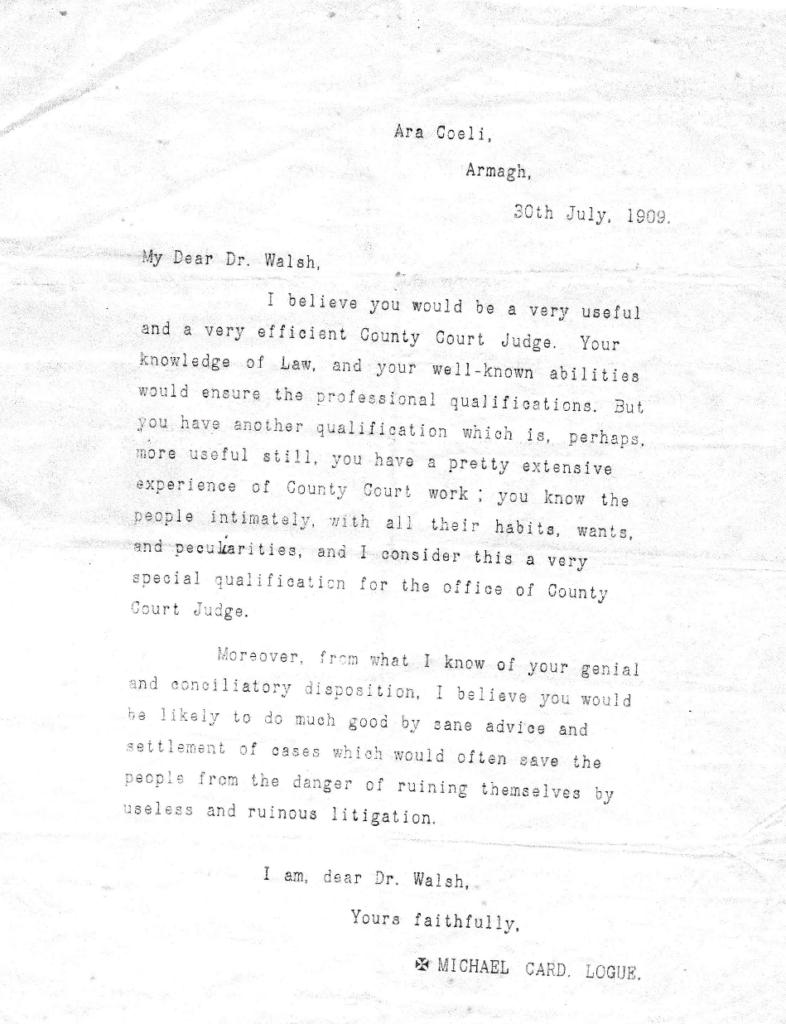
Mary Afric’s early life had been touched by sorrow: her mother, Winifred (née Denniston), died shortly after her birth, and her father, Bernard Harkin, passed away in 1872, leaving Michael Logue — later Cardinal Archbishop of Armagh — as guardian to her and her siblings.
Patrick and Mary Afric married on 20 April 1892 in Doe Chapel, Creeslough, with the ceremony conducted by Cardinal Logue himself. At the time, Patrick was teaching at St Columb’s College, Derry, where he held posts in philosophy and literature. After a short period in London, where he briefly tried studying medicine, the couple settled permanently in Massinass House — the Harkin family home for generations and the centre of their family life.
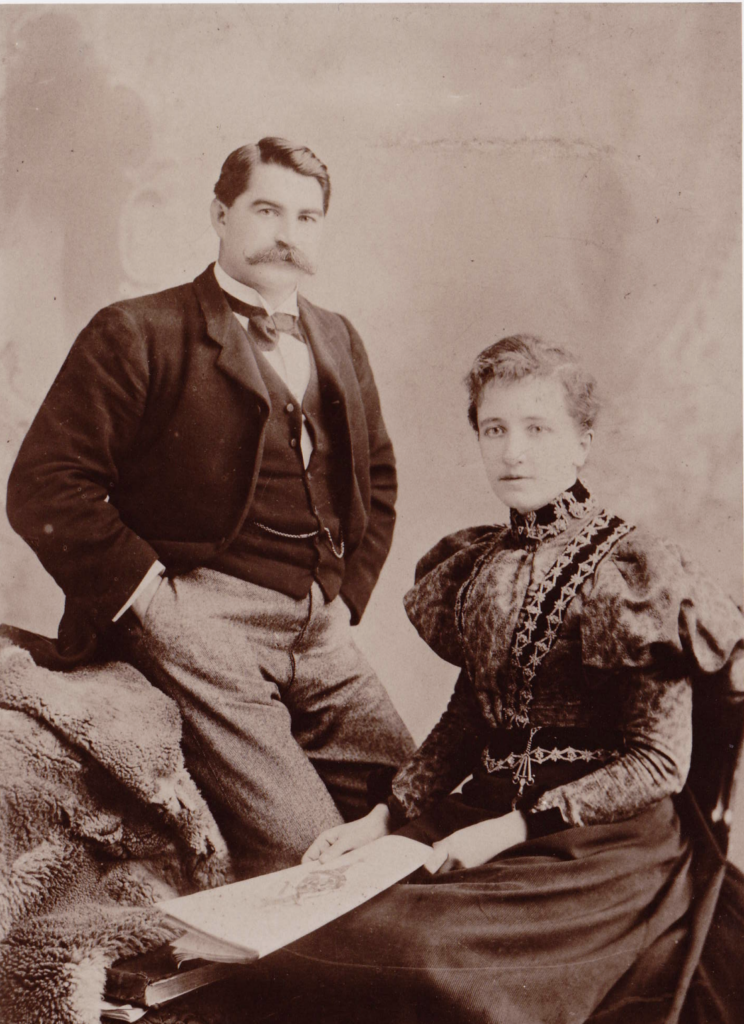
Determined to further his education, Patrick entered Trinity College Dublin on 1 November 1895 and the King’s Inn shortly after. His record described him as:
“Professor of Belles Lettres and Rhetoric, Professor of Mental and Moral Philosophy, and Private Tutor in Classics during twelve years in Germany, the United States, and St Columb’s College, Londonderry.”
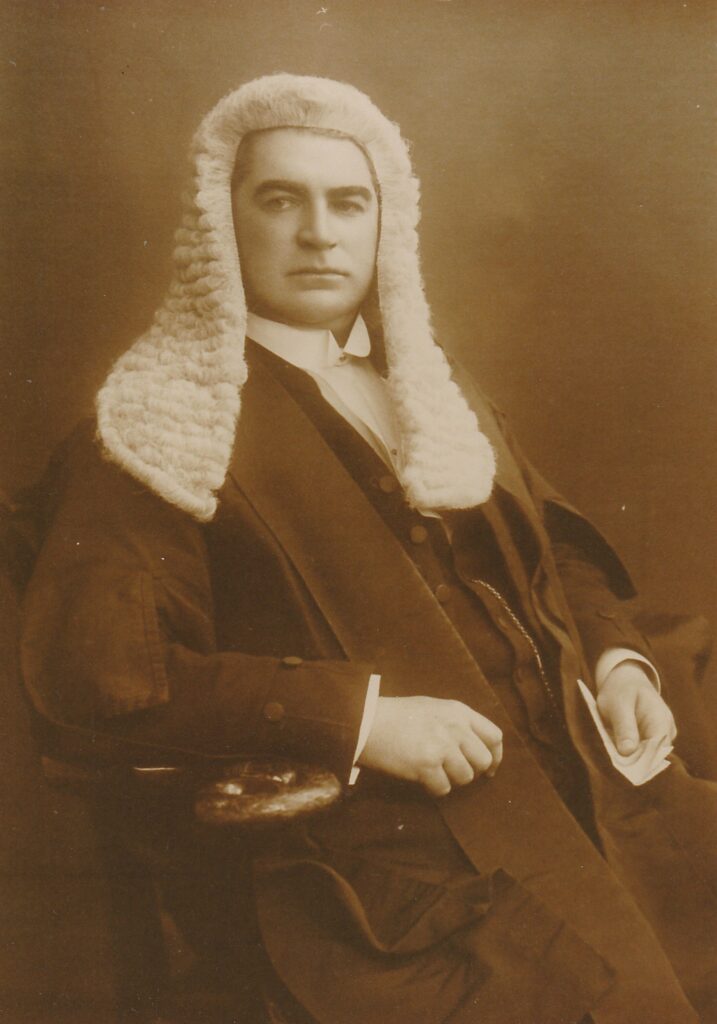
He was called to the Irish Bar in 1898, appointed King’s Counsel in 1909, and admitted to the Inner Bar in 1910. As Crown Counsel for Donegal, he became a respected figure in legal circles — known for his eloquence, intellect, and courtesy.
During World War I, Patrick set aside his legal practice to serve as Recruiting Officer for County Donegal, holding the rank of Lieutenant. His speeches — urging courage and duty — were widely reported in the Derry Journal, reflecting both his patriotism and his sense of public responsibility.
In the years that followed, his legal and judicial career took him far from Donegal. By 1930, he was serving as President of the District Court in Cyprus, and in 1931 he was appointed Chief Justice of the Supreme Court of the Seychelles. During his time there, he twice acted as Governor, earning admiration for his fairness and dignity.
Patrick and Mary Afric raised seven children, several of whom went on to distinguished careers in medicine and the military. Their eldest, Rosemary, served as a Voluntary Aid Detachment nurse in France during the First World War; Una married Dr Charlie Coll, the Creeslough GP who attended the victims of the Owencarrow train disaster; and their sons Hubert, Brian, Dermot, and Paul each built lives marked by service, professionalism, and resilience. Their youngest, Afric, died tragically in infancy.
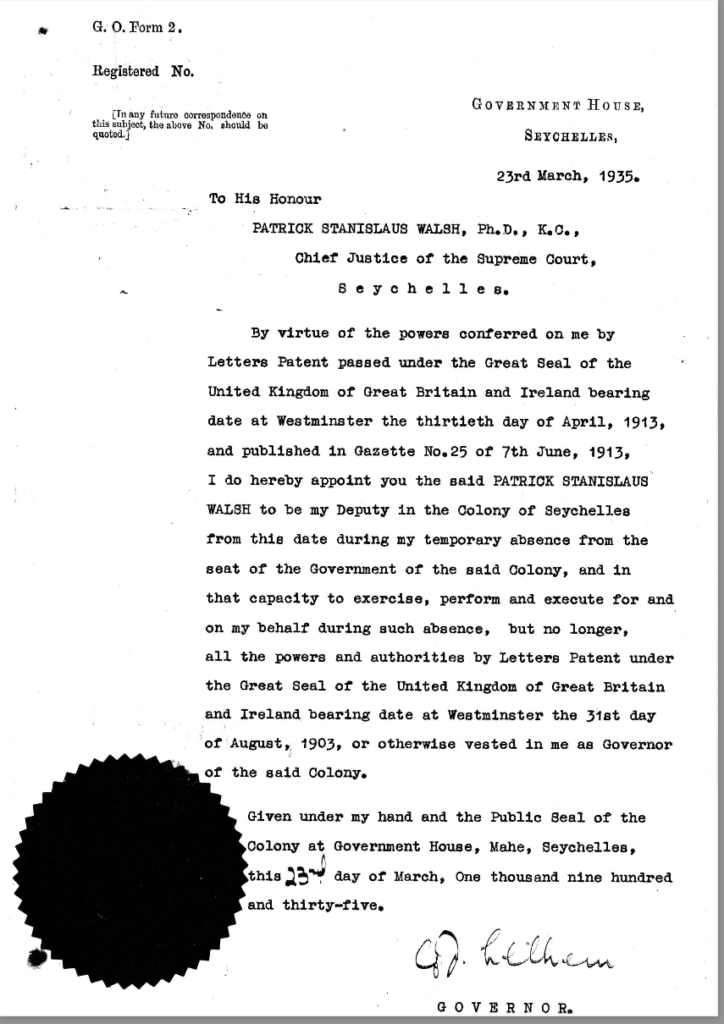
While Patrick was in the Seychelles, Mary Afric died at home in Creeslough in 1932, a loss that deeply affected him. After retiring from colonial service in 1936, he returned home with his second wife, Alice Moxon, a retired hospital matron who had also served in the colonial service.
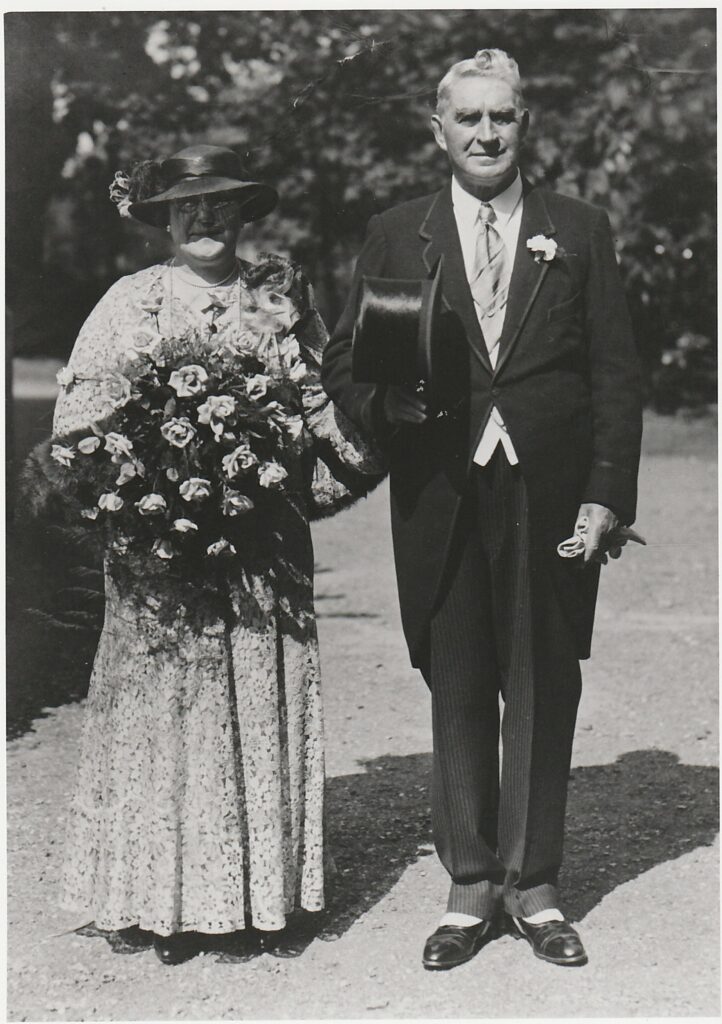
Patrick Stanislaus Walsh died at Massinass House on 16 May 1943, aged eighty-five, following an accident and pneumonia. He was buried in Doe Cemetery, close to the landscape that had shaped his early years.
His life reflects a remarkable journey — from the son of an RIC sergeant in rural Donegal to an international jurist and Chief Justice of the Seychelles. Yet beneath the titles and travels, Patrick remained rooted in the values of home, learning, and integrity. His name endures not only in law and history, but in the quiet pride of the community that remembers him still.